
The best discounts this week
Every week you can find the best discounts here.

AIRMEZ FOX 2 IN 1 80K

AIRMEZ FOX 4 IN 1 120K
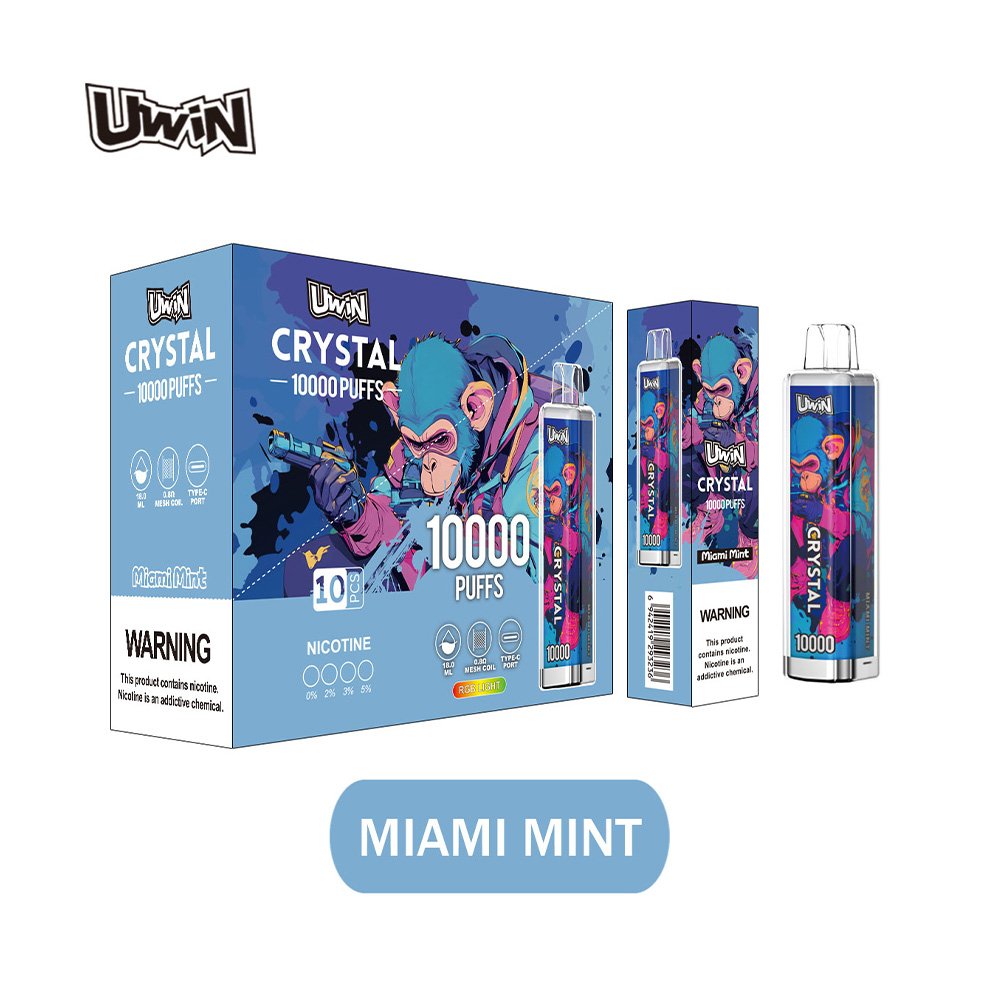
UWIN CRYSTAL 10K
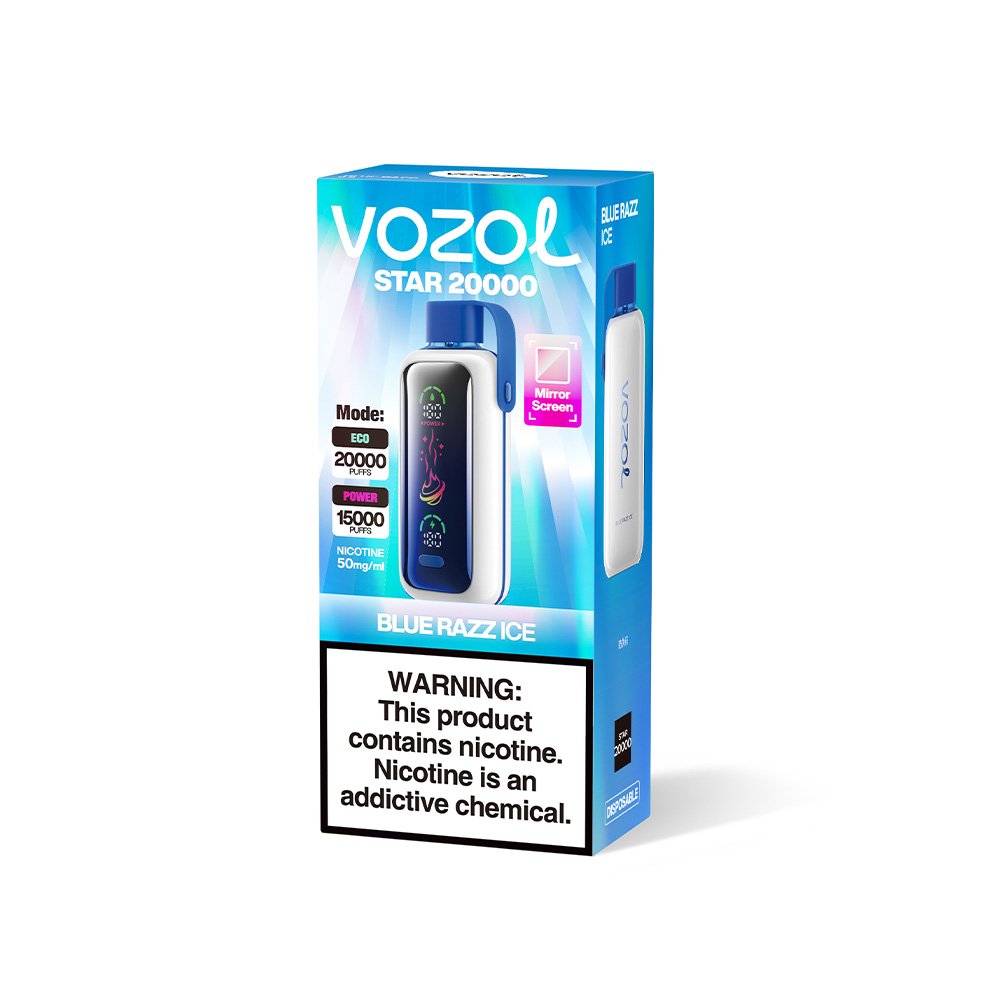
VOZOL STAR 20K
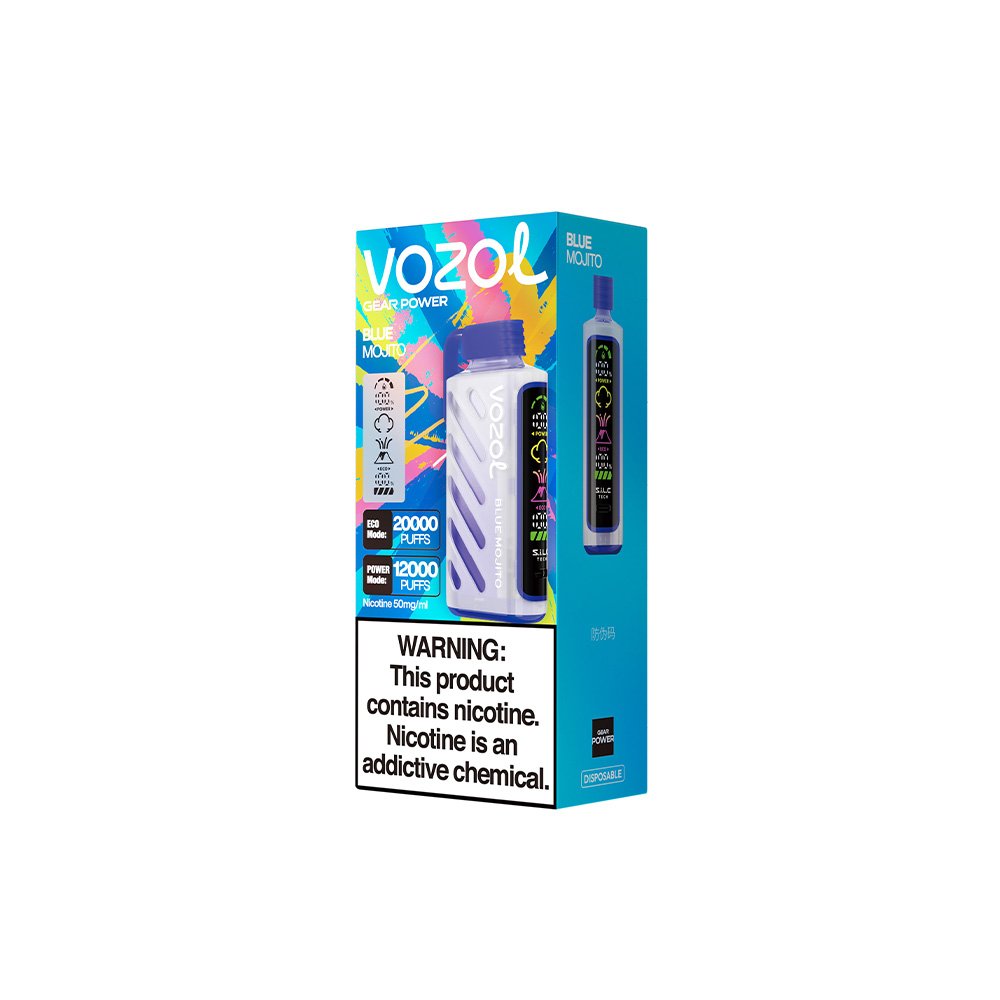
VOZOL GEAR POWAR 20K

BANG KING 60K
French e-cigarette market analysis: trends, growth and challenges in 2025

In today’s fast-paced world, e-cigarette France has become the preferred tool for many people to quit smoking or change their smoking habits. As one of Europe’s largest economies, France’s e-cigarette market not only reflects the global trend of prosperity, but also has unique local characteristics. From trendy shops on the streets of Paris to remote rural corners, e-cigarettes have overtaken traditional French tobacco products as a “healthy substitute” for young and middle-aged smokers. According to the latest figures, the French e-cigarette market is expected to reach €997.8 million in 2025, up 10.7% from 2024, based on a profound change in consumer behavior and a continuing change in the regulatory environment.
As an experienced market watcher, I have always had a soft spot for the French vape market. Back in 2019, when I first visited Vape in Paris, the market was still recovering from TPD regulations, and brands were scrambling to produce new flavors to catch the eye. Today, the French e-cigarette market in 2025 has evolved into a mature ecosystem of technological innovation, consumer health awareness, and strict regulation. Why are the French so keen on e-cigarettes? Because it is not only a tool, but also a symbol of a difference – a cup of coffee, a bellows, with the Seine sunset. This article delves into all aspects of the French e-cigarette market, from growth to consumer behavior, from regulatory challenges to future trends, to help you understand this dynamic industry.
French E-cigarette Market Size and Growth: From Recovery to Outbreak
The growth trajectory of the French e-cigarette market is textbook. In 2014, after implementing the EU directive on tobacco products, the French market was at a low ebb, with many small brands pulling out because of high compliance costs. But the arrival of the disease in 2020 changed everything, family isolation led more people to seek “smoke-free” alternatives, electronic cigarette sales surged more than 30%. Entering 2025, the market is expected to reach €997.8 million, up 10.7 per cent from a year earlier, well above the European average (the overall e-cigarette market is expected to reach $112.3 million, compared with 5.77 per cent for CAGR in 2025).
Why are e-cigarettes growing so fast in France? First, a shift in consumer behavior is key. According to the IFOP 2025 survey, more than 3 million smokers in France, of whom 70 percent are traditional smokers, consider e-cigarettes to be “harm reduction tools.” Up to 45 per cent of the younger generation (ages 18-34) are pursuing customizable flavors and equipment, with popular fruit flavors such as blueberry juice or mango cola. Sales figures show one-off steam accounted for 60% of the market in 2024 and is expected to remain in the lead in 2025 with sales of $520 million and CAGR of 28.7%.
From an economic perspective, the recovery of the French e-cigarette market benefits from the optimization of the supply chain. The number of Vape stores in Paris and Marseille has increased from 2000 in 2020 to 5,000 in 2025, with Amazon France accounting for 40% of sales. Growth has not been plain sailing, however. By 2025, the market will be under pressure to raise taxes by 26 euros per milliliter, pushing up retail prices by 5% to 10%. Still, forecasts show that the French e-cigarette market will reach 1.65 billion euros by 2030, thanks to a high level of health awareness and brand innovation.
I remember, in 2023, an old smoker in Vape, Paris, told me, “E-cigarettes freed me from cigarette abduction.” This statement goes to the heart of market growth – it is not only a product, but also a bridge of life transformation. In the future, with the convergence of 5G and smart devices, France’s vape market will usher in a new era. CAGR is expected to remain above 10%. For investors, this is an opportunity not to be missed, but be wary of regulatory variables.
French E-cigarette Consumer Behavior: From Curiosity to Loyalty
The volatility of the French e-cigarette market leaves no consumer story. By 2025, France’s total steam output is expected to exceed 3.5 million, or 5.5% of the adult population. Who is smoking e-cigarettes? The highest proportion (55 per cent) are middle-aged people aged 25 to 44, mostly urban white-collar workers, who seek to “reduce fashion hazards”, the survey showed. For example, in cafes in Paris, you see young people holding lattes, holding bars like Juul or Elf, using steam as a social prop.
The shift in consumer behavior is obvious. According to Statista, in 2024 62% of French e-cigarette consumers recommended it to help them quit, while only 15% said it was an “entertainment toy.” In terms of taste preference, the fruit range (such as blueberry raspberry ice) accounts for 40 per cent and the tobacco aroma drops to 25 per cent, reflecting a sense of health. Female consumers increased rapidly, from 30 per cent in 2020 to 45 per cent in 2025, and favored low nicotine (2 to 3 per cent) and color devices.
Buying habits are also digitized. Online sales jumped from 25% in 2020 to 45% in 2025, with proprietary sites like Amazon and LePertit Apoteur becoming popular platforms. Consumers are increasingly concerned about “sustainability” — 70 percent prefer charging devices to disposable waste. The trend has prompted brands such as Vozol to launch environmentally friendly collections.
But there are concerns behind this behavior. According to the survey, 20% of smokers are worried about “second-hand smoke” and 15% change brands because of fatigue. In a city where street art is prevalent, young people combine street culture with street art, but parents are worried. As a market analyst, I believe that understanding these behaviors is the key to brand success — not selling products, but selling transformational stories.
French e-cigarette regulatory environment: a balance of stringent regulations
Most of the French e-cigarette market is its regulatory environment. Since the EU’s TPD Directive came into force in 2016, France, one of the most tightly enforced countries, has set a nicotine ceiling of 20 mg/ml, a limit of 2 ml of electronic liquid capacity, and no more than 15 watts of power. By 2025, the new rate will rise to 26 euros per milliliter, raising retail prices by 5% and affecting low-end brands.
The advertising ban is another challenge. France banned the sale of electronic cigarettes in the media, only allowed to display in stores, violators up to 75, 000 euros fine. However, it has also spawned innovation – branding to digital marketing, such as Instagram’s “educational content”, emphasizing “less revenue”. In 2024, the French National Security Agency (ANSES) released a report confirming that e-cigarettes are 90% safer than traditional tobacco, giving confidence to the market.
From a consumer perspective, regulation strengthens trust. 85 per cent of consumers said that strict labelling made them feel safer for smaller brands, yet compliance costs amounted to 20 per cent of the price of the product, resulting in market concentration rising to 70 per cent (the top five brands). In the future, the “no-one-time” plan for 2026 may reshape the market and boost the growth of rechargeable devices by 30%.
Control is a double-edged sword: strict and fair. It protects consumers and screens quality brands. In my view, this marks the maturity of the French e-cigarette market – not brutal growth, but sustainable growth.
Competition Pattern of French Electronic Cigarette: Competition of Brand and Channel
The competition in the French fan market is like a fashion show, with major brands competing in design, flavor and innovation. By 2025, Juul, Elf Bar and Vuse account for 50% of the market and Juul leads with 300 million euros in sales. Local brands such as Bloom and Kumiho countered with “French elegance” and limited Paris-themed flavors.
Meridian differentiation is obvious. Brick-And-Mortar stores account for 55% of the total, with more than a thousand stores in Paris, followed by Marseilles and Lyon. Online channels are growing rapidly thanks to the free shipping policy, with sites like LePert Opoteur selling more than 100 million euros a year. Supermarkets such as Carrefour have introduced e-cigarettes, but are limited by regulations to low-nicotine products.
The focus of competition is innovation. Sales of the Elf Ice Sense series doubled in 2024, and Vuse touted “smart app connectivity” devices to attract tech enthusiasts. Smaller brands that have leveraged NPD (new product development) to break out, such as local startups launching “organic flavor” lines, have achieved 20 per cent market growth.
Channel integration is the general trend. Branding collaborates with banks on “health loans” or co-branding with music festivals to expand coverage. The competition is fierce, but the space is huge – the market is expected to add 500 stores by 2025. As an observer, I think the winners will be brands that understand the French “romantic mindset.”
Trends and innovations in French e-cigarettes: From health to sustainability
The key words for the French e-cigarette trend in 2025 are smart and green. Consumer awareness of health has soared, with 80% of smokers choosing products with low nicotine content and the market shifting to “harm prevention” devices. Innovations such as “Artificial Intelligence Flavor Recommendation App”, Juul has launched more than half a million downloads.
Sustainability is the new darling. Sixty-five percent of consumers prefer recyclable devices, and brands like Vozol boosted sales of biodegradable shells by 25 percent. Taste trends shift from fruit to “French blend”, such as red wine berries or lavender ice, reflecting local culture.
Digital innovation is leading the trend. AR trial APP uses a “virtual experience” style with a 40% conversion rate in 2024. With the rise of cross-border e-commerce, the share of Fairy Bar and other Chinese brands rose to 30%, bringing low-cost, high-quality competition.
The trend predicts the market will be “smarter green” by 2026, with CAGR remaining at 12%. For brands, innovation is an opportunity to win loyalty.
Challenges and Opportunities for the French Electronic Cigarette Market: A Bumpy but Hopeful Path
The first challenge is tightening regulations. By 2025, the “ban once” proposal passed, will affect 30% of the market share, small brands survive difficult. The tax hike also squeezed margins and consumer sensitivity, raising prices by 5% and costing 10% of users.
The black market problem cannot be ignored. Illegal products accounted for 15%, low price competition distorted the market. Consumer education is inadequate and 30% of the steam is not used properly, leading to safety problems.
An opportunity lies in digital conversion. By 2026, online sales are expected to reach 60% and brands can sell to young people through social media KOL. Opening up the “medical portal” of health trends and working with doctors to promote “smoking cessation programs” could reach 200 million euros in the market.
Export opportunities are also great. French brands could take advantage of the Belt and Road initiative to expand their exports into Asia by 15% in 2025. In a word, a challenge is a touchstone, an opportunity to adapt.
The Bright Future of the French Electronic Cigarette Market
The French e-cigarette market is like a bottle of aged red wine, after the storm more mellow. By 2025, it is not just an industry, but a cultural symbol — from gossip on the banks of the Seine to nightlife in Port Marseilles, steam has become part of French life. Faced with the test of regulations and taxes, brands need innovation and sustainability, consumers need to make rational choices.
Looking to 2030, the market will double in size and become the capital of Vape. Whether you’re an investor or a speculator, the blue ocean is worth working for. Let’s see how the French e-cigarette market continues to write its own tale.


