
The best discounts this week
Every week you can find the best discounts here.
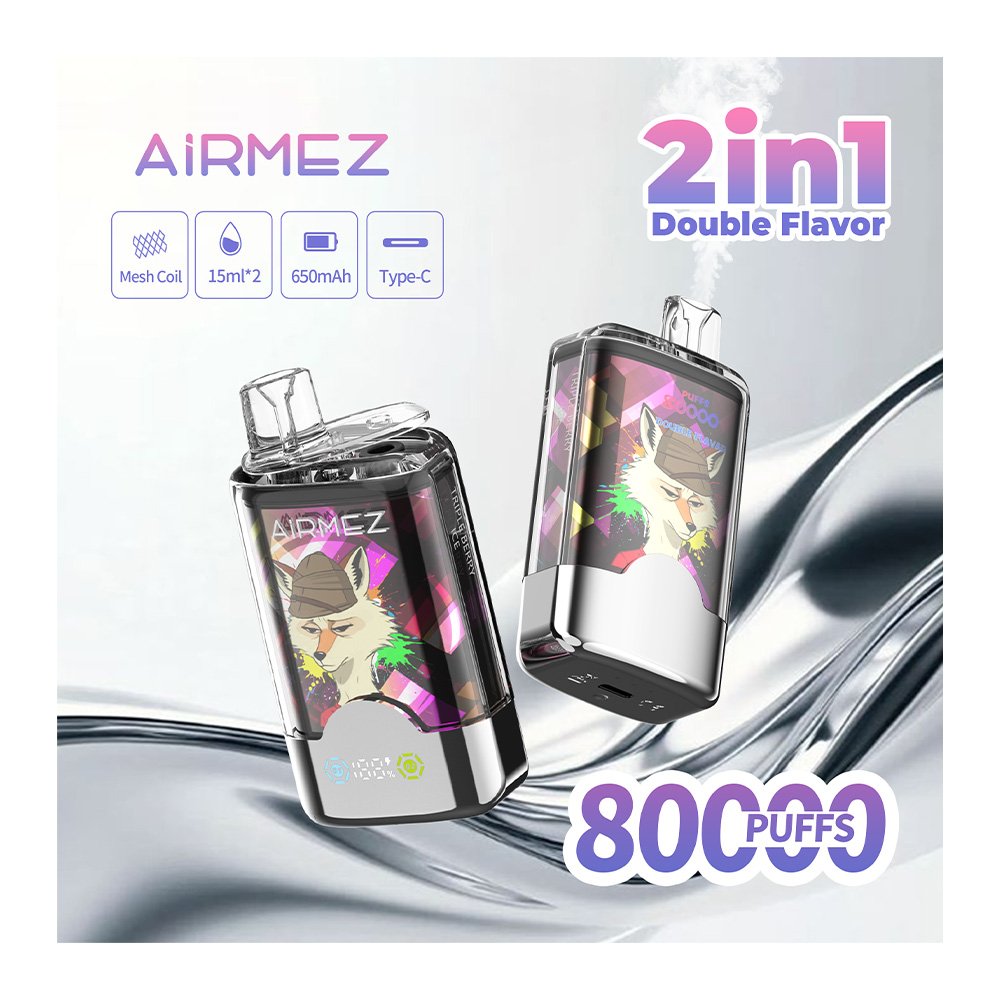
AIRMEZ FOX 2 IN 1 80K
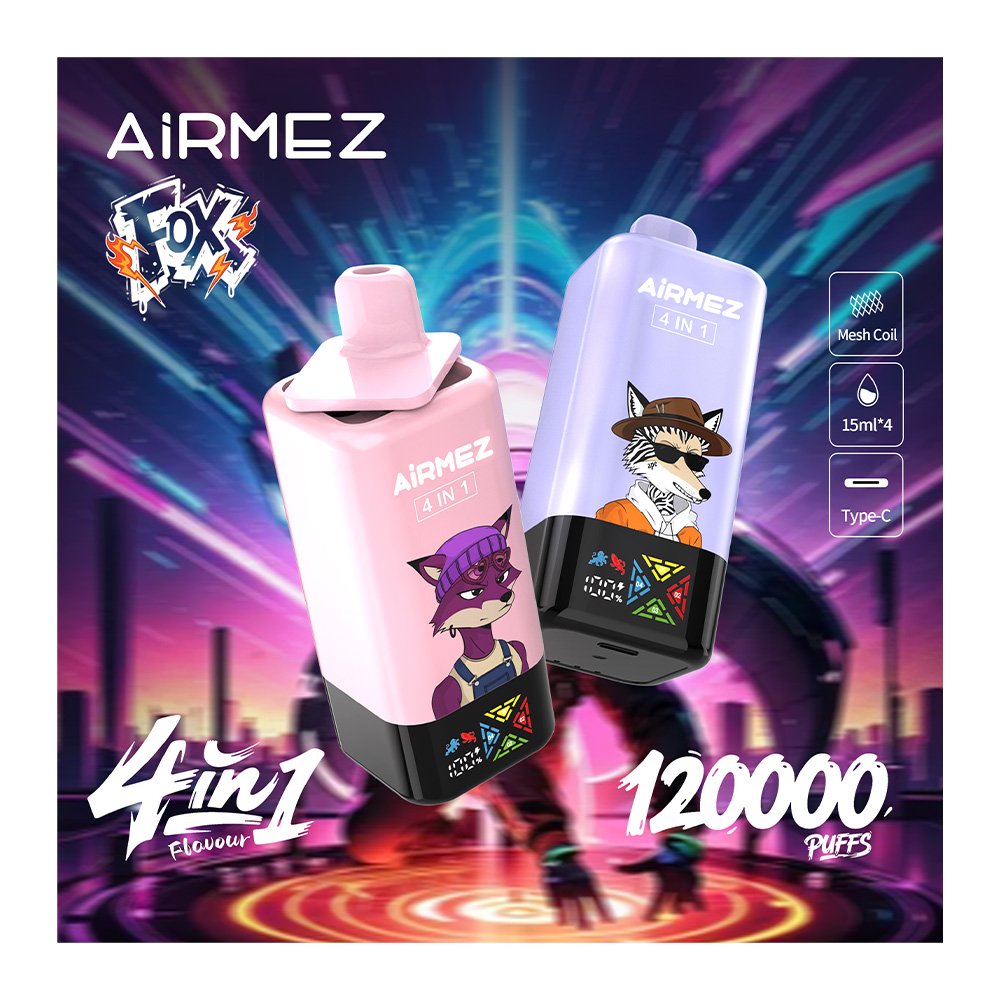
AIRMEZ FOX 4 IN 1 120K
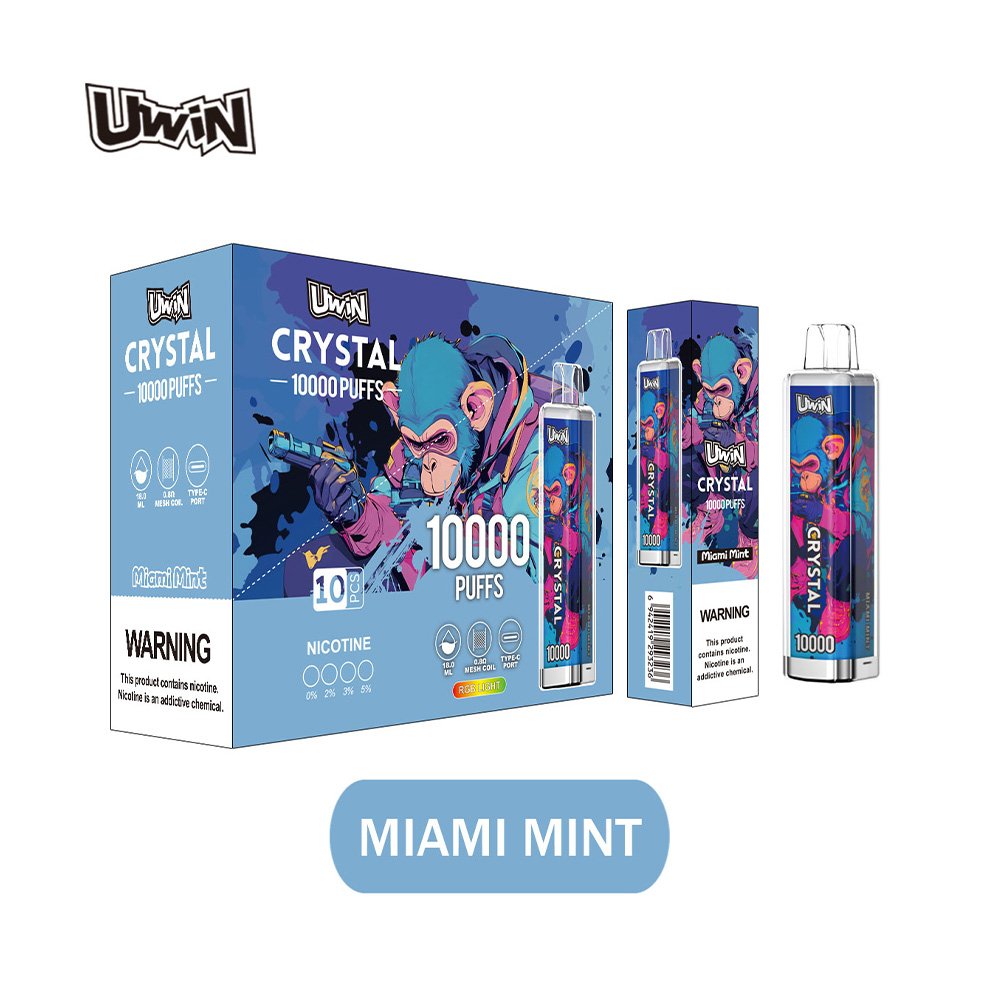
UWIN CRYSTAL 10K
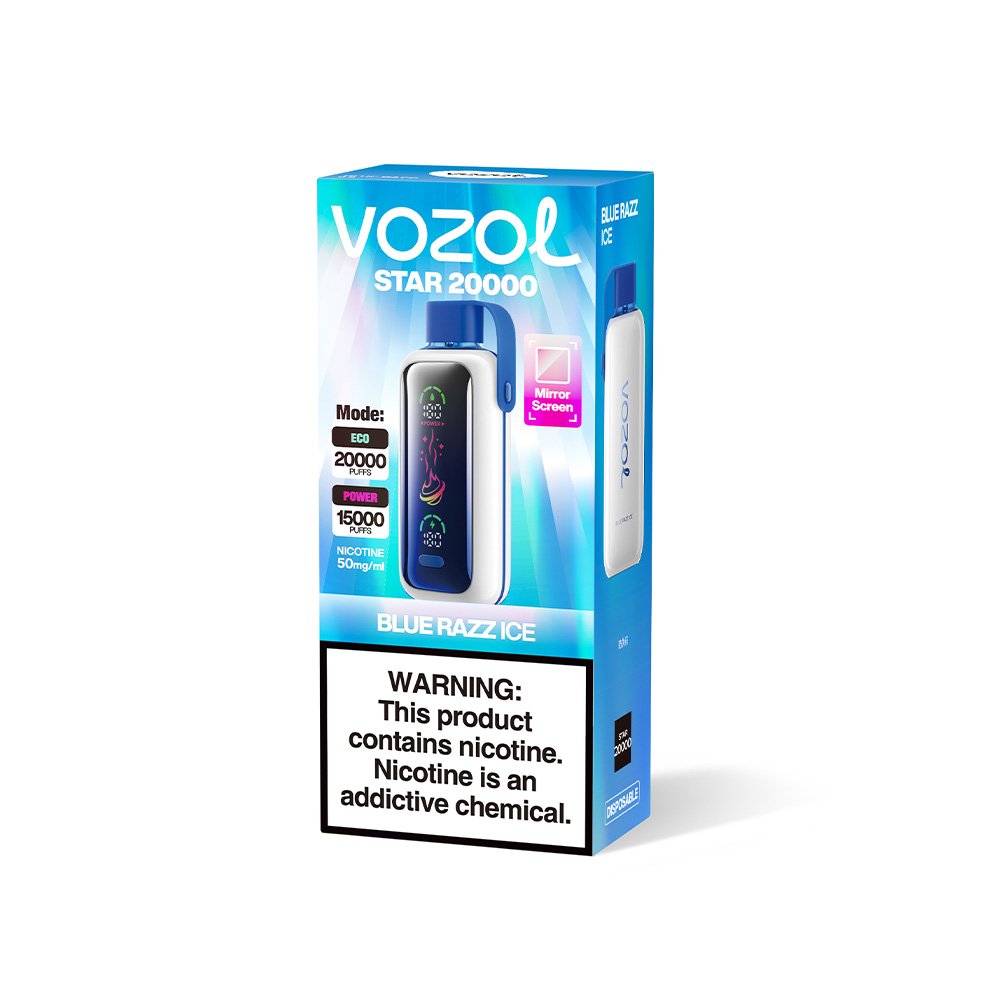
VOZOL STAR 20K
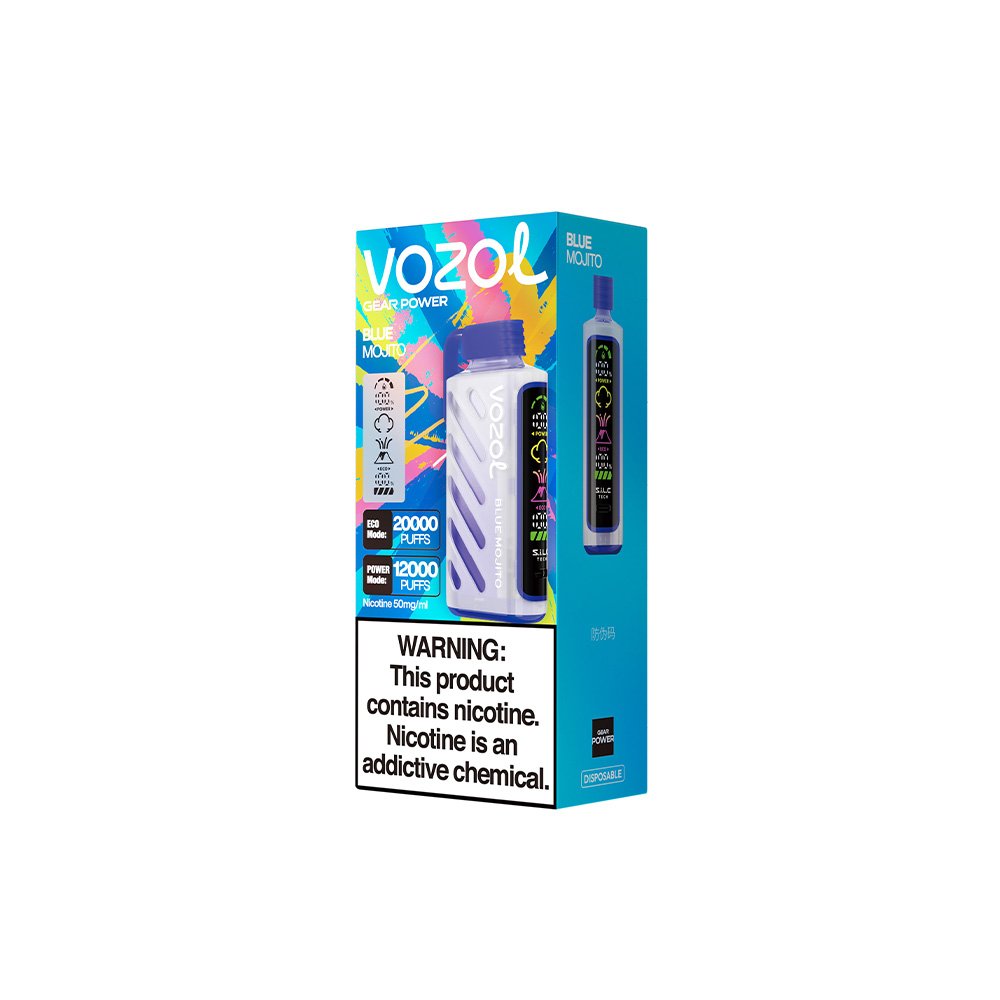
VOZOL GEAR POWAR 20K
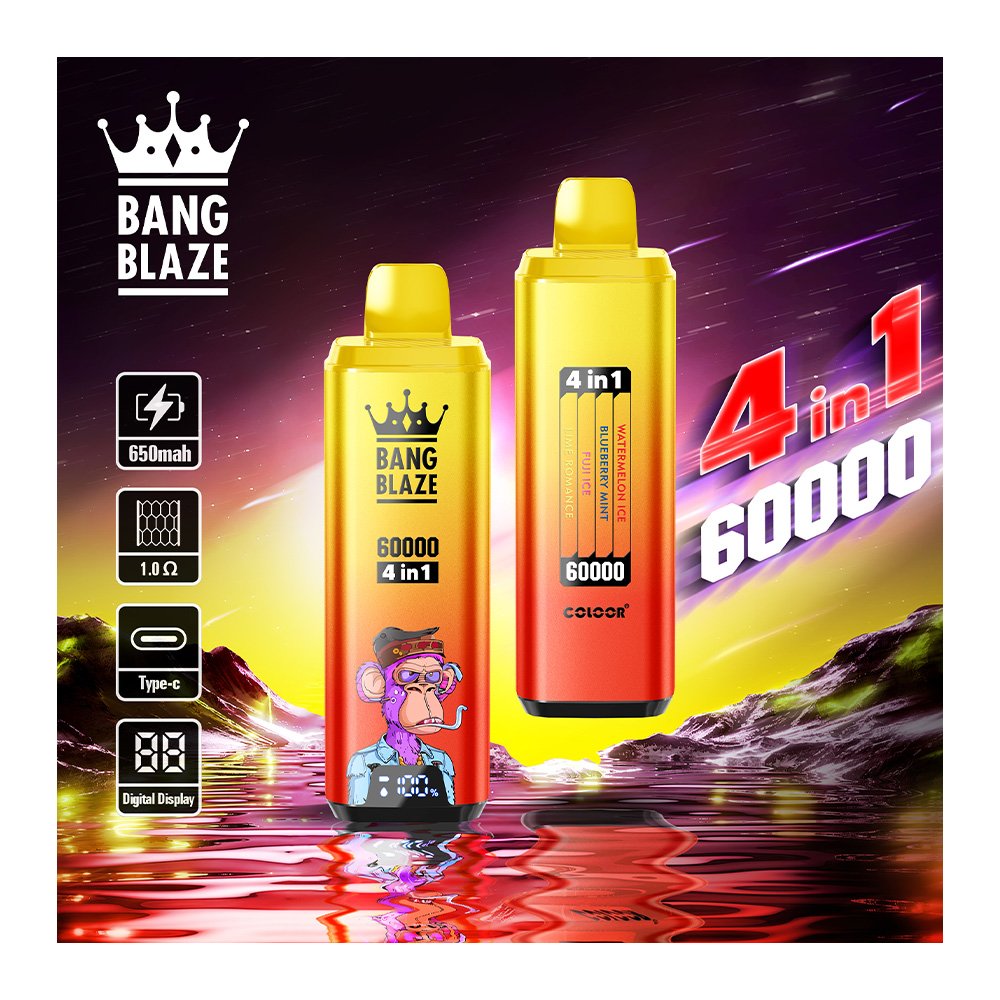
BANG KING 60K
Understanding Atomizers: The Heart of Vaping Technology

In the dynamic world of vaping, few components are as crucial as the atomizer. Often referred to as the “heart” of any vape device, the atomizer is responsible for transforming e-liquid or concentrates into the inhalable vapor that defines the vaping experience. Whether you’re a beginner dipping your toes into the world of electronic cigarettes or a seasoned enthusiast chasing the perfect flavor profile, understanding atomizers is key to optimizing performance, safety, and enjoyment. This knowledge-based article delves deep into the history, mechanics, types, selection criteria, maintenance, safety tips, and emerging trends in atomizers as of 2025. By the end, you’ll have a comprehensive grasp of this essential technology, empowering you to make informed choices in your vaping journey.
Vaping has evolved significantly since its inception, with atomizers at the forefront of innovation. They not only produce vapor but also influence flavor intensity, throat hit, and cloud production. As vaping culture continues to grow, driven by advancements in materials and design, atomizers have become more efficient, user-friendly, and customizable. Let’s explore their fascinating evolution and practical aspects.
The History of Vaping Atomizers
The story of atomizers begins long before modern vaping became mainstream. The concept of vaporizing substances without combustion dates back to the 1920s, when American inventor Joseph Robinson patented an “electric vaporizer” intended for medicinal compounds. However, it wasn’t until the 1960s that Herbert A. Gilbert proposed a smokeless, non-tobacco cigarette, laying conceptual groundwork for today’s devices.
The modern atomizer’s breakthrough came in 2003, courtesy of Chinese pharmacist Hon Lik, who invented the first commercially viable electronic cigarette. Lik’s design featured a simple atomizer using ultrasonic technology to vaporize a nicotine solution, but it quickly evolved to resistance wire-based heating elements by 2006-2007 when e-cigarettes hit global markets. Early atomizers were basic, often integrated into cartomizers (cartridge-atomizer hybrids), but they suffered from short lifespans and inconsistent performance.
By the 2010s, the vaping industry exploded with innovations. Rebuildable atomizers (RBAs) emerged, allowing users to customize coils for better flavor and vapor. Sub-ohm atomizers revolutionized cloud chasing, while mesh coils in the late 2010s improved heating efficiency. In the 2020s, atomizers incorporated smart features like temperature control and leak-proof designs, reflecting a shift toward safety and sustainability. As of 2025, atomizers are more advanced than ever, with eco-friendly materials and AI-assisted optimization in high-end models.
How Atomizers Work in Vapes
At its core, an atomizer is a heating element that vaporizes e-liquid or concentrates. The process begins when electrical current from the battery flows through a coil, typically made of resistance wire like kanthal, stainless steel, or nickel. This coil, wrapped around a wicking material (often cotton or ceramic), heats up rapidly—reaching temperatures between 200-250°C (392-482°F) in seconds.
The wick absorbs e-liquid from the tank or reservoir, delivering it to the coil. As the coil heats, the liquid evaporates into vapor without burning, avoiding harmful combustion byproducts. Airflow plays a vital role: adjustable vents allow air to mix with the vapor, cooling it and enhancing flavor. In advanced atomizers, features like mesh coils distribute heat evenly for faster ramp-up and reduced dry hits.
Physically, the warmth of the vapor correlates directly with applied power, explaining why variable wattage mods are popular. For cannabis or wax atomizers, the principle is similar but optimized for thicker viscosities, using quartz or ceramic chambers to preserve terpenes. Understanding this mechanism helps vapers troubleshoot issues like burnt tastes, which often stem from poor wicking or overheating.

Types of Atomizers for Vaping
Atomizers come in various forms, each suited to different vaping styles. Broadly categorized, they include:
- Disposable Atomizers: Simple, pre-filled units ideal for beginners. They feature fixed coils and are discarded after use, offering convenience but higher long-term costs.
- Replaceable Coil Head Atomizers: These allow swapping out the coil while reusing the tank. Popular for ease, they’re found in sub-ohm tanks for cloud production.
- Rebuildable Atomizers (RBAs): For advanced users, these let you build custom coils. Subtypes include:
- Rebuildable Dripping Atomizers (RDAs): No tank; e-liquid is dripped directly onto coils for pure flavor but requires frequent refills.
- Rebuildable Tank Atomizers (RTAs): Combine a tank with a build deck for convenience and customization.
- Rebuildable Dripping Tank Atomizers (RDTAs): Hybrid design with a tank below the deck for dripping-like performance without constant refills.
Other types include Mouth-to-Lung (MTL) for tight draws mimicking smoking, and Direct-to-Lung (DTL) for airy, cloud-focused vaping. Pod atomizers are compact and beginner-friendly, while wax atomizers cater to concentrates.
| Type | Key Features | Best For | Pros | Cons |
| Disposable | Pre-filled, fixed coil | Beginners | Easy to use | Wasteful, expensive over time |
| Replaceable Coil | Swappable heads, tanks | Casual vapers | Convenient maintenance | Limited customization |
| RDA | Dripping, build deck | Flavor enthusiasts | Superior taste | Frequent dripping |
| RTA | Tank + build deck | All-day vapers | Customizable, leak-resistant | Learning curve |
| Pod | Compact, magnetic pods | On-the-go | Portable | Less power |
This diversity ensures there’s an atomizer for every preference.
How to Choose the Best Atomizer in 2025
Selecting an atomizer depends on your vaping style, experience level, and priorities like flavor, clouds, or portability. For 2025, top picks include the HorizonTech Falcon Legend for sub-ohm excellence, scoring high in flavor and coil life. RDAs like the Digiflavor Drop V2 excel for dual-coil builds, while RTAs such as the Hellvape Fat Rabbit offer massive clouds.
Consider coil resistance: sub-ohm (<1Ω) for DTL, higher for MTL. Ease of use matters—beginners

Atomizer Maintenance and Safety Tips
Proper maintenance extends atomizer life and ensures safety. Clean regularly by submerging parts in isopropyl alcohol or warm water with baking soda for 30-60 minutes, then rinse and dry. Use Q-tips for coils and replace them every 1-2 weeks or when flavor fades. For rebuildables, dry-burn coils to remove gunk.
Safety first: Avoid over-tightening connections to prevent shorts, and never vape on a damaged atomizer. Prime new coils by saturating the wick before use to avoid dry hits. Store in cool, dry places, and switch to lower-VG liquids if wicking issues arise. Regular upkeep prevents leaks, overheating, and potential hazards.
Future Trends and Conclusion
In conclusion, atomizers are indispensable to vaping, evolving from simple heaters to versatile powerhouses. By understanding their history, workings, types, and care, you can enhance your experience while prioritizing safety. Whether upgrading or starting fresh, the right atomizer unlocks a world of flavor and satisfaction.
FAQ
What is an atomizer in vaping?
It’s the heating component that turns e-liquid into vapor.
How often should I clean my atomizer?
Weekly for regular use, or after every flavor change.
Are rebuildable atomizers worth it for beginners?
Not initially—start with replaceables and graduate.
What’s the best atomizer for clouds in 2025?
The Hellvape Dead Rabbit M RTA for massive vapor.
Can atomizers be used with dry herbs?
Some specialized ones yes, but most are for liquids or concentrates.


